Key points to consider before choosing a gout management plan
Gout can be a persistent and painful condition, but finding the right approach to manage it often feels overwhelming. With so many options available, from prescription medications to dietary adjustments and supplements, knowing what to check before committing to a treatment path matters. A thoughtful evaluation helps you avoid ineffective remedies and side effects while supporting long-term joint health.
The first thing to understand is that gout is not simply about avoiding certain foods. It stems from elevated uric acid levels in the blood, which can form sharp crystals in joints. Treatment therefore aims either to lower uric acid production, improve its excretion, or reduce the inflammation caused by existing crystals. Different strategies target these mechanisms, and what works well for one person may not suit another. Checking your own health profile, lifestyle, and any underlying conditions is the starting point. multivitamin and mineral formula
Check your uric acid levels and overall health first
Before selecting a treatment, it is wise to know your current uric acid level and whether you have any related health issues such as kidney problems, high blood pressure, or diabetes. Many gout treatments affect how the kidneys handle uric acid, so impaired kidney function may influence which option is safe. A simple blood test can provide a baseline, and discussing results with a healthcare professional helps narrow down suitable choices. For example, allopurinol is a common medication that reduces uric acid production, but its dosage and suitability depend on your kidney health and other medications you take.
Understand the role of dietary changes and supplements
Dietary changes remain a core part of managing gout, but they are rarely enough on their own. Reducing intake of purine-rich foods such as red meat, shellfish, and organ meats can help lower uric acid, but many people still need additional support. This is where targeted supplements come into play. Some ingredients, like cherry extract, have been studied for their ability to reduce uric acid and joint inflammation. A well-rounded approach often combines diet, medication, and supplementation.
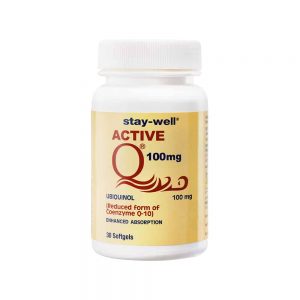
When considering supplements, look for formulations that address multiple aspects of joint health. A quality multivitamin and mineral formula can provide foundational nutrients that support overall metabolism and kidney function, which indirectly helps uric acid balance. For instance, vitamin C may aid uric acid excretion, while certain minerals play roles in reducing oxidative stress in joints. Checking the ingredient list and their dosages matters more than brand names.
Evaluate medication options and their trade-offs
Prescription treatments for gout generally fall into three categories: uric acid reducers like allopurinol, anti-inflammatory drugs such as colchicine and NSAIDs, and agents that help the kidneys excrete uric acid. Each has distinct benefits and drawbacks. Allopurinol is widely used and generally well tolerated, but some people experience skin reactions or need dose adjustments. Colchicine works well for acute flares but can cause digestive discomfort if taken regularly. NSAIDs help with inflammation but may not be suitable for those with stomach ulcers or heart conditions.
It is important to check potential interactions with any medications or supplements you already take. For example, combining NSAIDs with certain blood pressure drugs or blood thinners can increase risks. A pharmacist or doctor can review your full regimen to spot conflicts. Never assume that a medication is safe just because it is common.
Consider the timing and duration of treatment
Gout management is rarely a short-term fix. Some treatments are meant for acute attacks, taken only during flare-ups, while others are intended for daily use to prevent future episodes. Understanding the difference helps you avoid overusing rescue medications or underusing preventive ones. For instance, colchicine is often prescribed in low doses for daily prevention, but higher doses are reserved for acute attacks due to side effects.
Also check how long it takes for a treatment to show results. Uric acid lowering medications may need weeks before levels drop sufficiently, while anti-inflammatories work quickly but do not address the underlying cause. Patience and consistency are key, but if you see no improvement after a reasonable period, reassessing with your healthcare provider is wise.

Look at hydration and lifestyle habits
Hydration is a simple yet powerful tool in gout management. Adequate water intake helps the kidneys flush out uric acid, reducing the chance of crystal formation. Checking your daily fluid consumption is a practical step that costs nothing. Aim for enough water so that your urine is light in colour, and avoid sugary drinks, especially those sweetened with high-fructose corn syrup, which can raise uric acid levels.
Other lifestyle factors also matter. Regular moderate exercise helps maintain a healthy body weight, which reduces the burden on joints and lowers uric acid production. However, intense exercise that causes dehydration or injury may trigger a flare. Finding a balance that keeps you active without overstressing your joints is part of a sustainable plan.
Check for hidden triggers and co-factors
Gout flares can be set off by more than just diet. Stress, illness, injury, and even certain medications for other conditions can raise uric acid. Before committing to a treatment, review your personal history to identify common triggers. Some people find that a multivitamin and mineral formula helps fill nutritional gaps that might otherwise contribute to metabolic imbalances, though it is not a direct treatment for gout itself.
Also consider whether you have other joint issues, such as osteoarthritis, that could complicate treatment. Some gout medications may not be appropriate if you already take pain relievers for other conditions. Being open with your doctor about all your symptoms and medications leads to a safer, more effective plan.
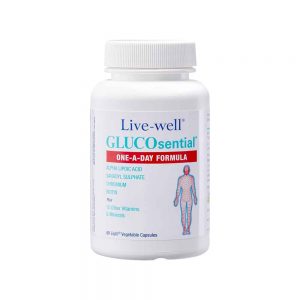
Consider long-term sustainability and cost
Treatments vary widely in cost, availability, and ease of sticking with them. Some prescription medications require regular blood monitoring, while supplements may be simpler to take daily. Check whether a treatment fits your routine and budget over months or years. For example, allopurinol is generally affordable, but some newer medications carry higher costs. Discussing options with your healthcare provider can reveal cheaper or more convenient alternatives.
Finally, remember that gout management is a personal journey. What works for a friend may not work for you because of differences in metabolism, lifestyle, and health conditions. The key is to check each option carefully, ask questions, and adjust as you learn what your body responds to. With the right information and support, it is possible to find a balanced approach that keeps flares at bay and supports overall wellbeing.